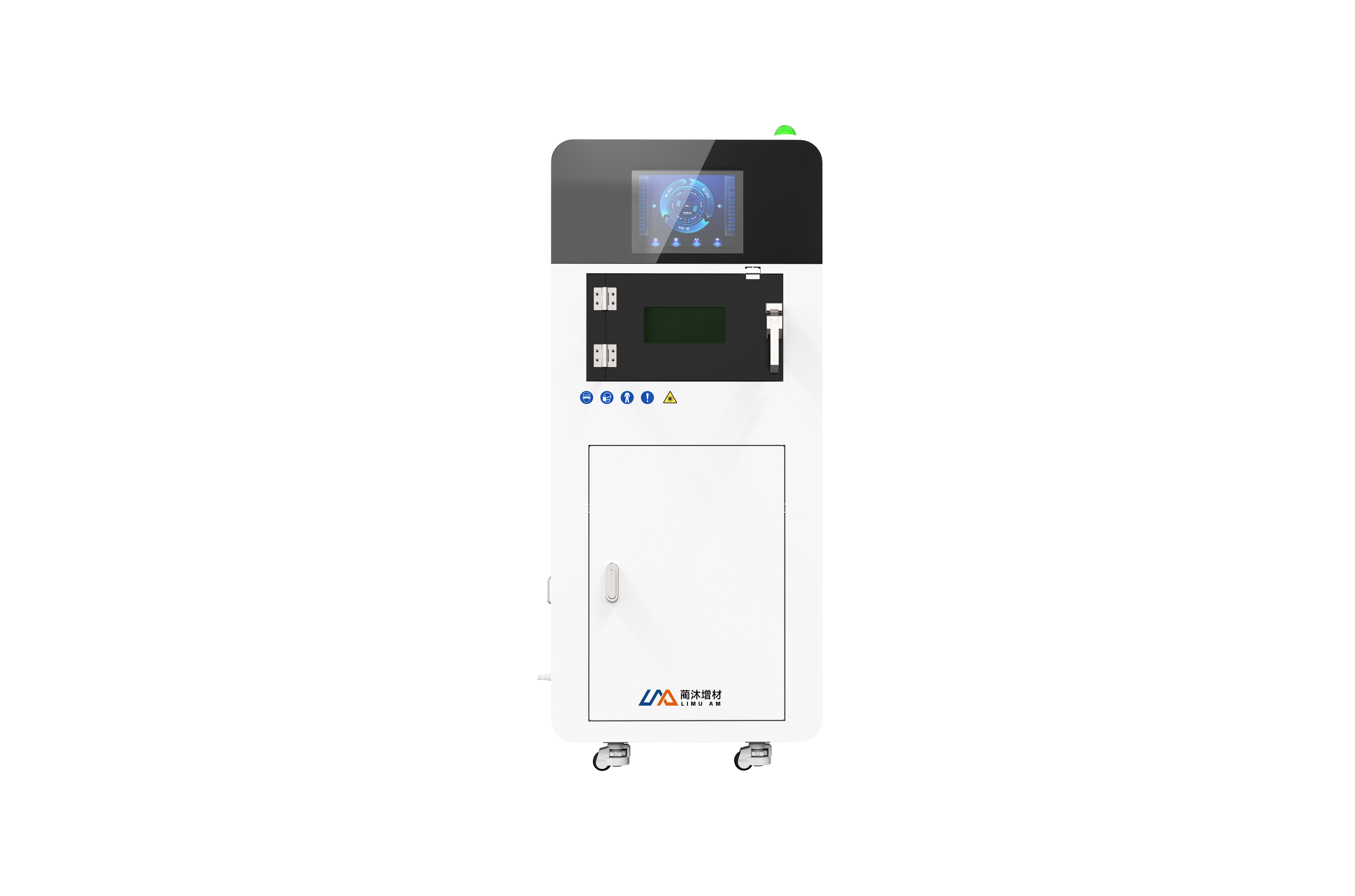
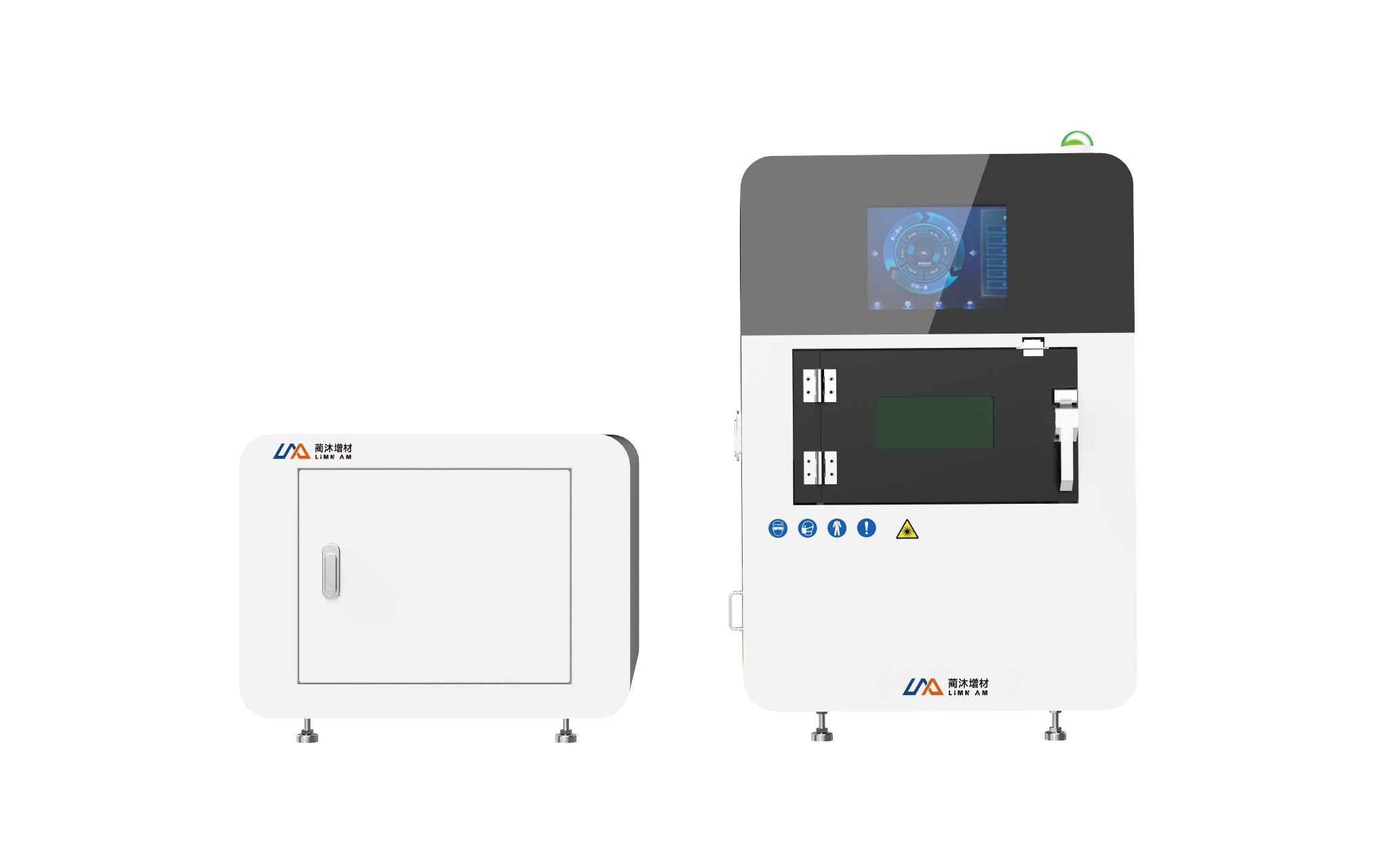
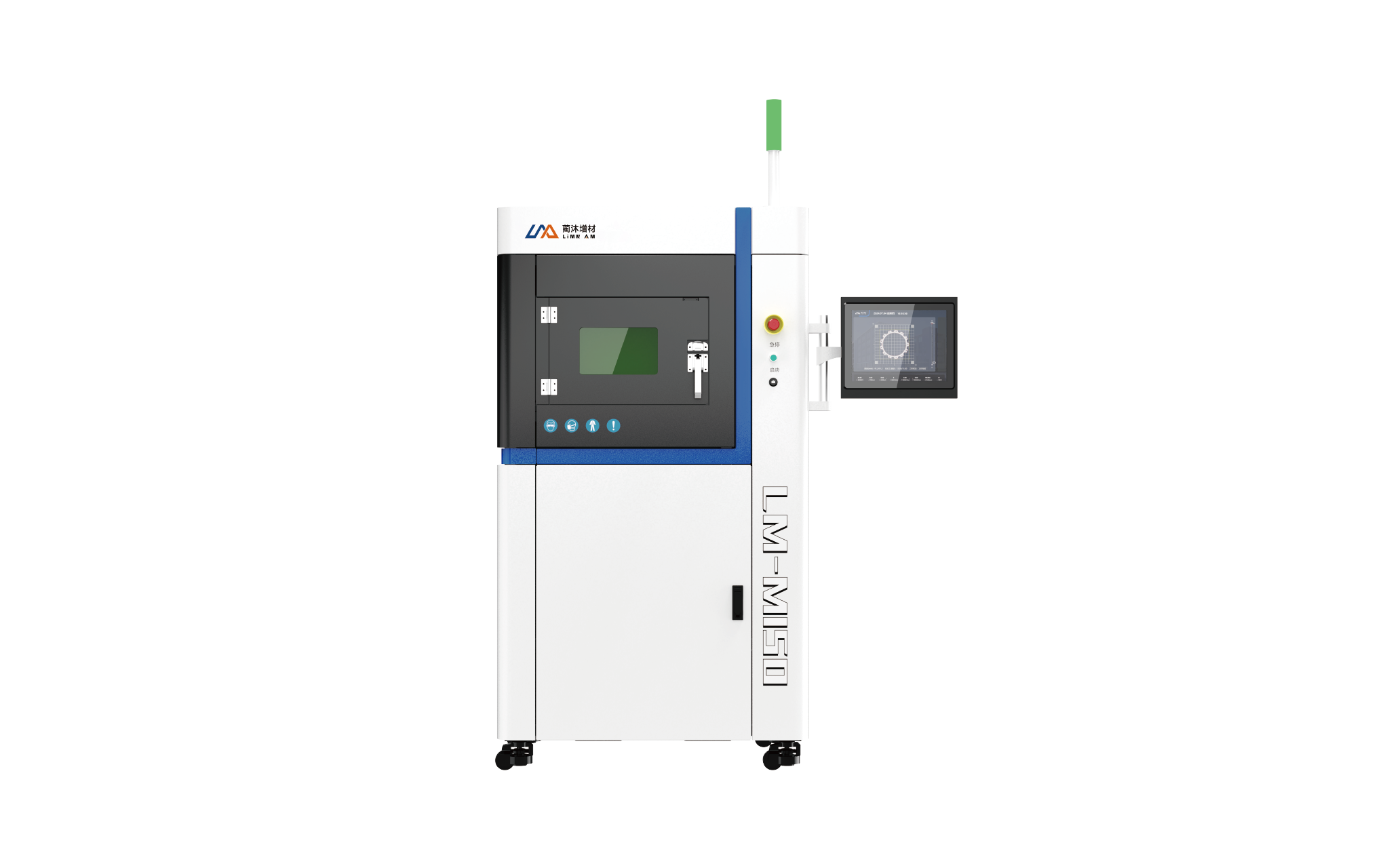
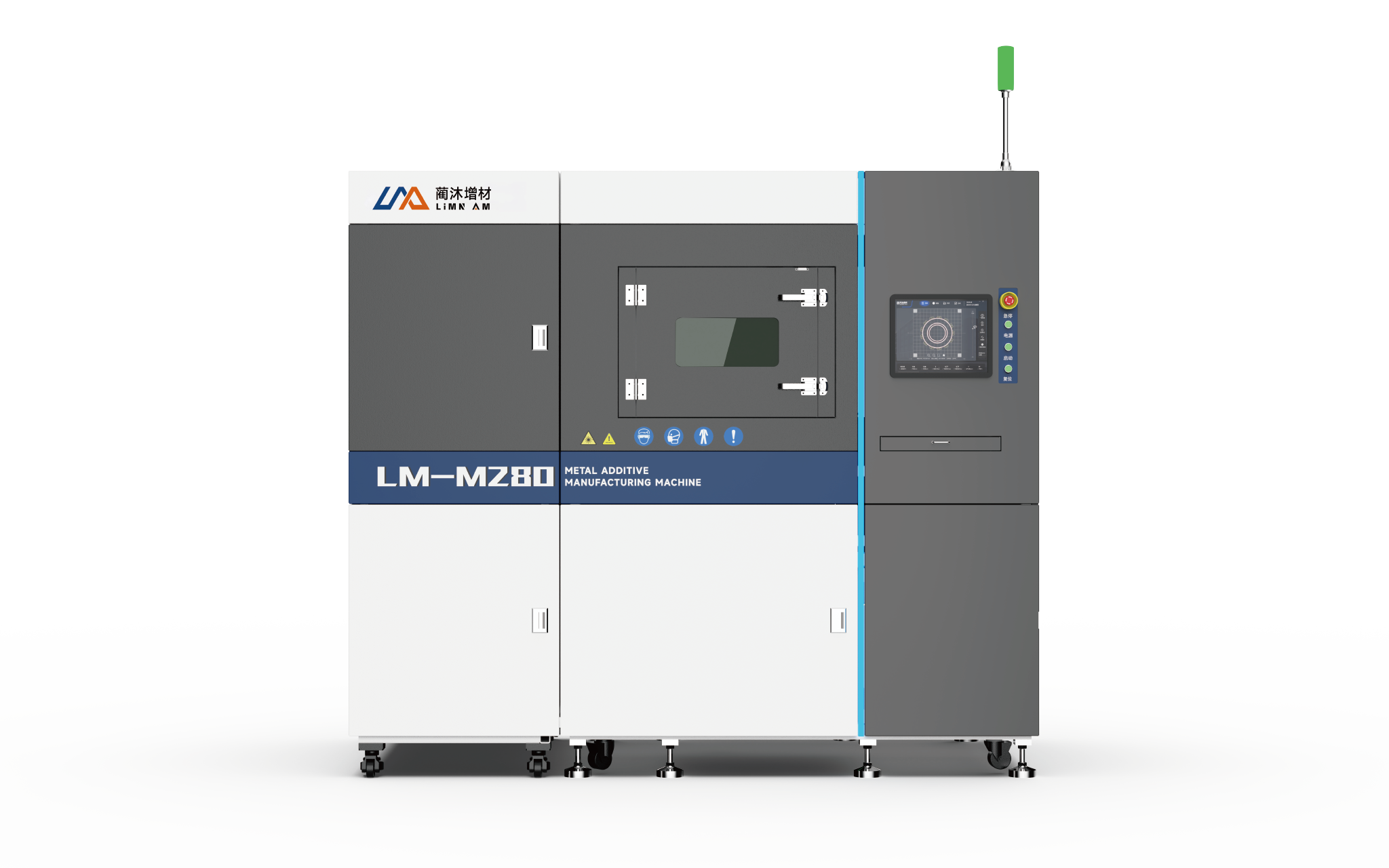
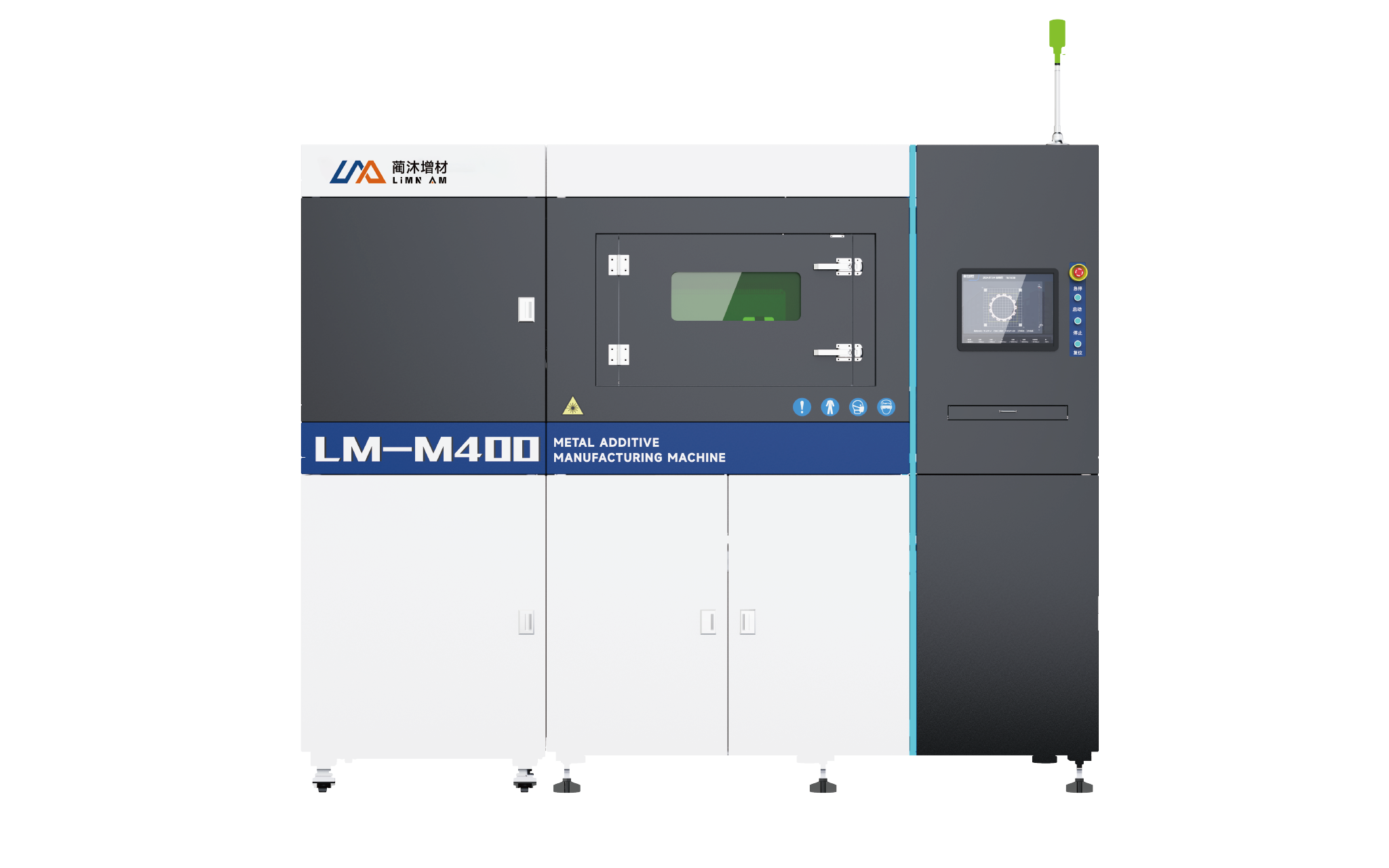
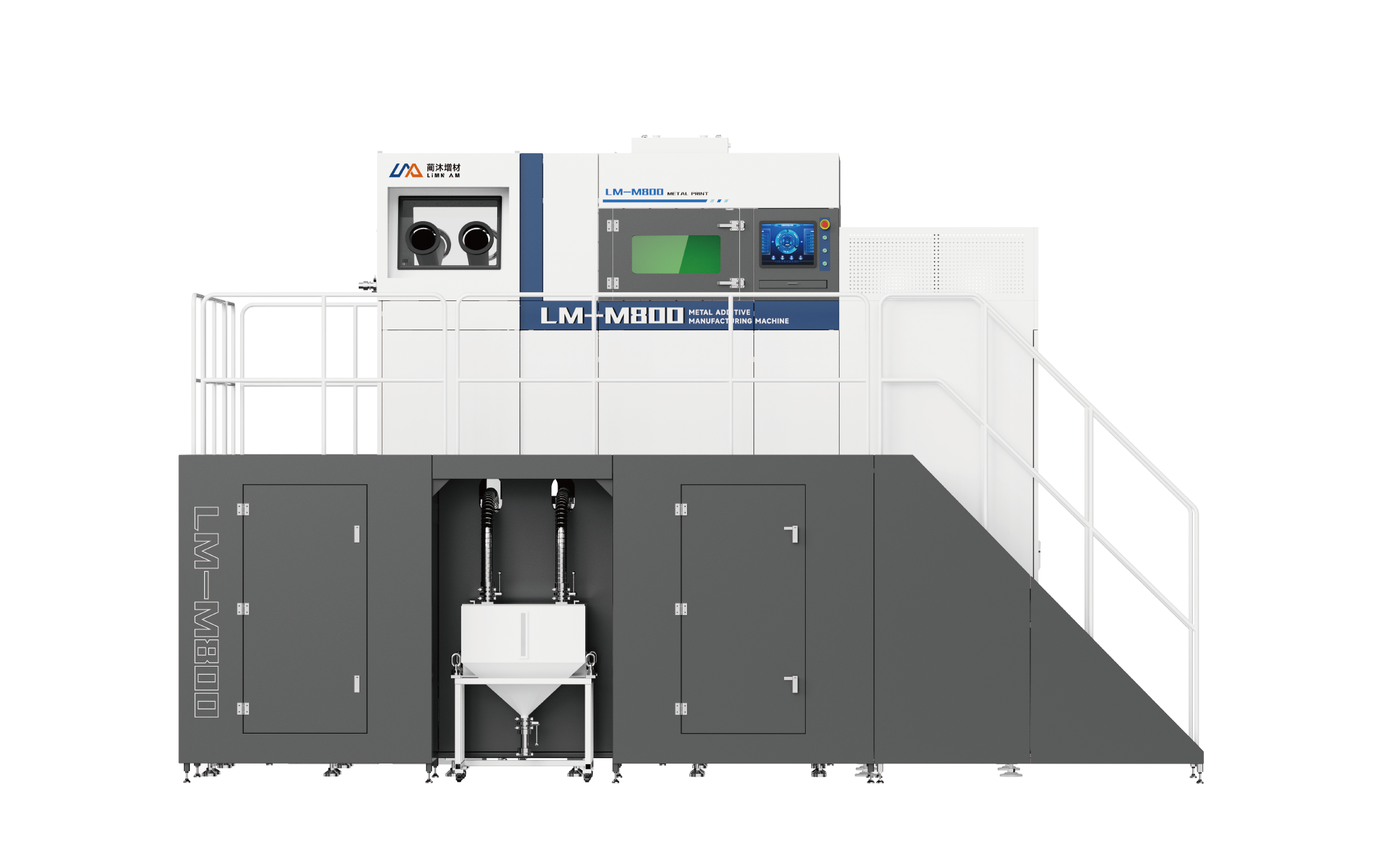
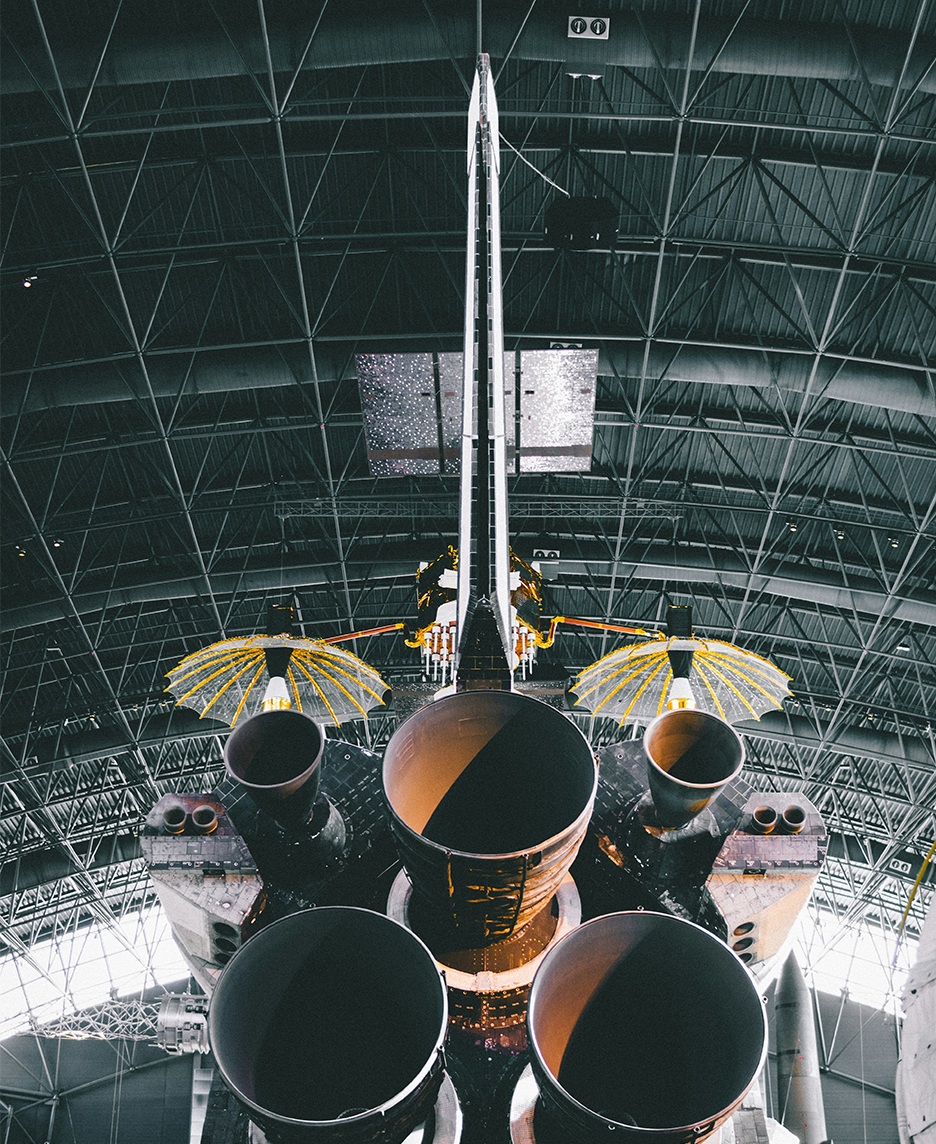
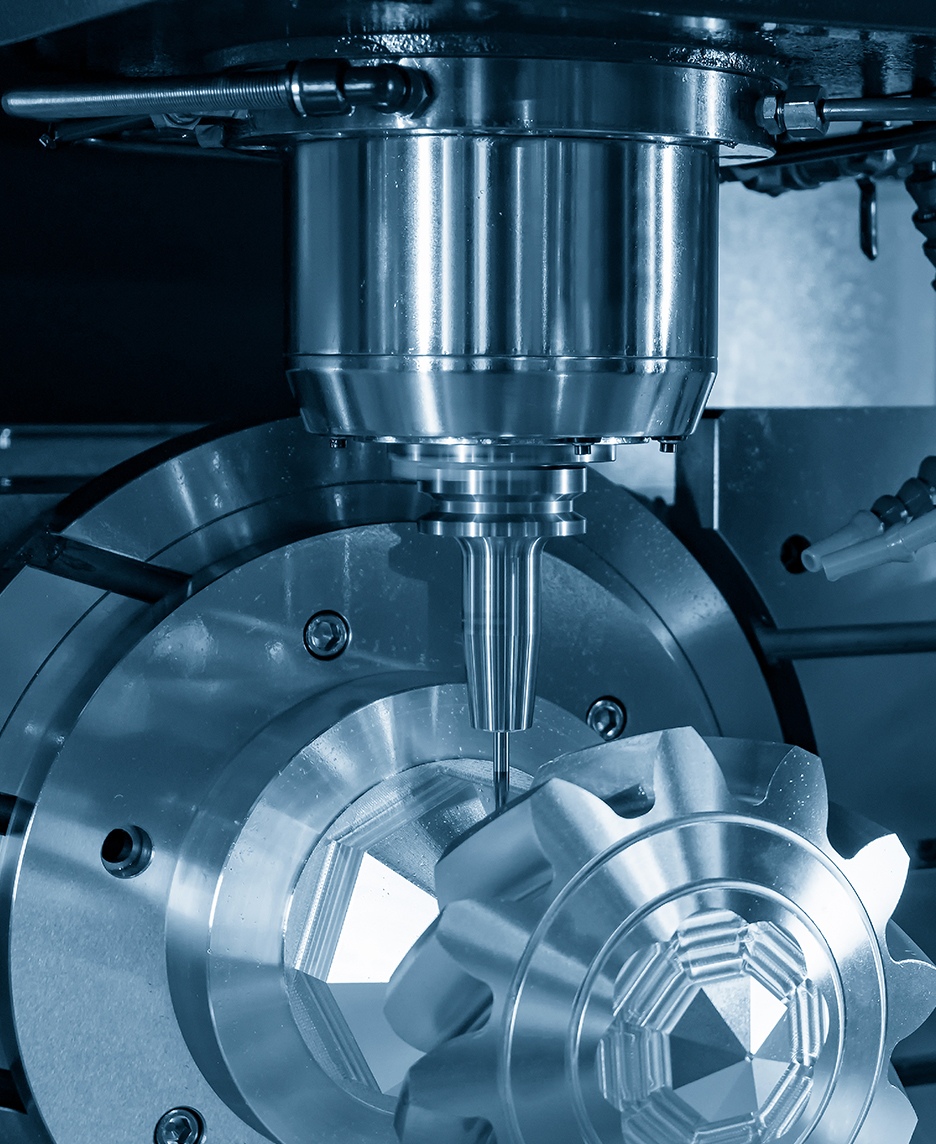
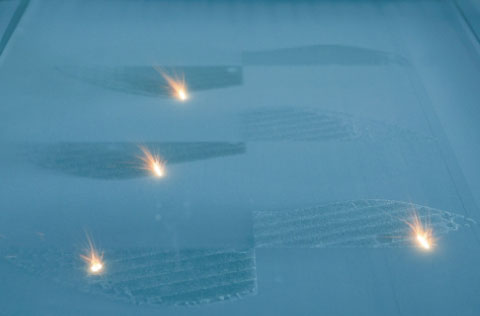
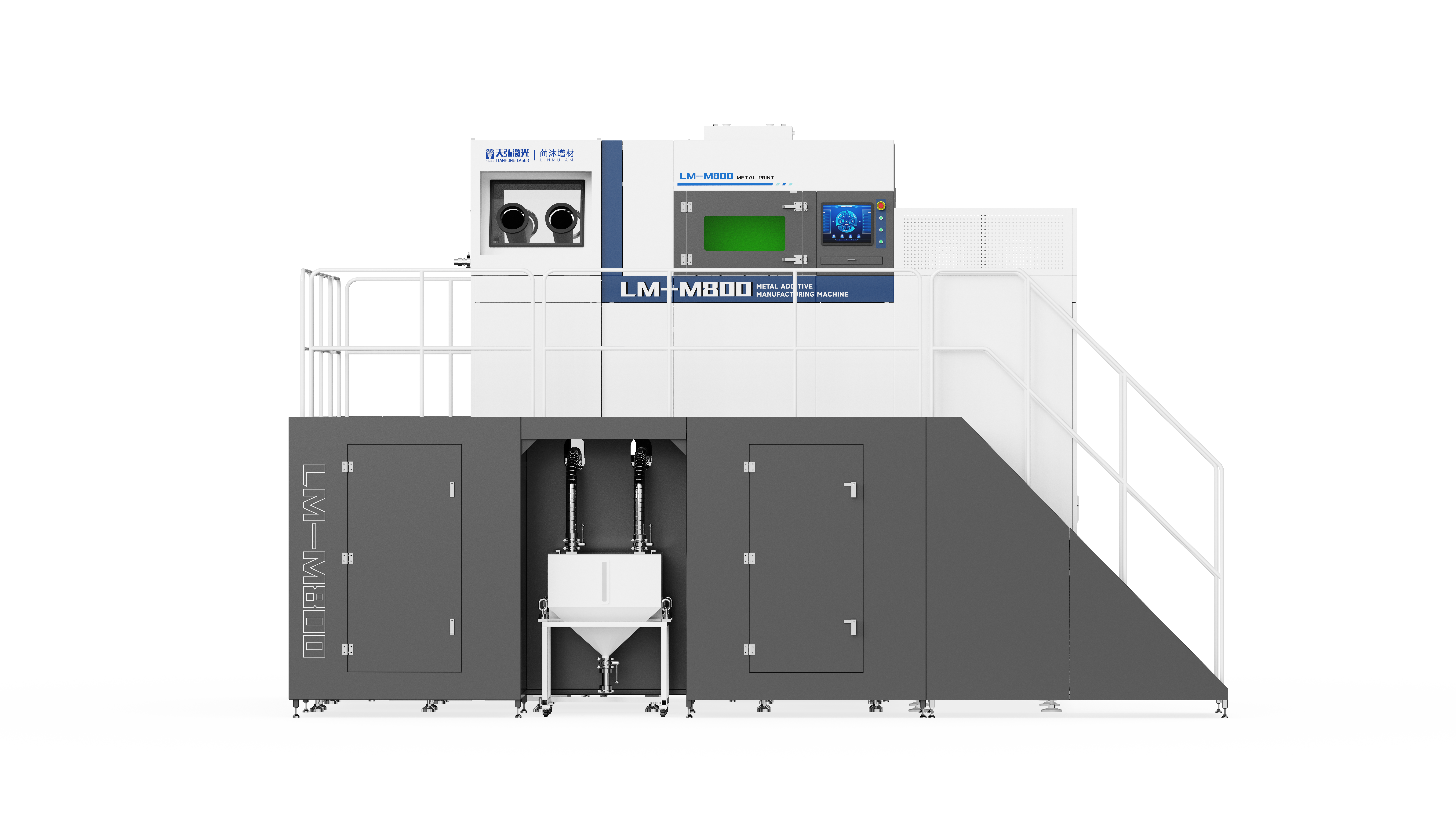
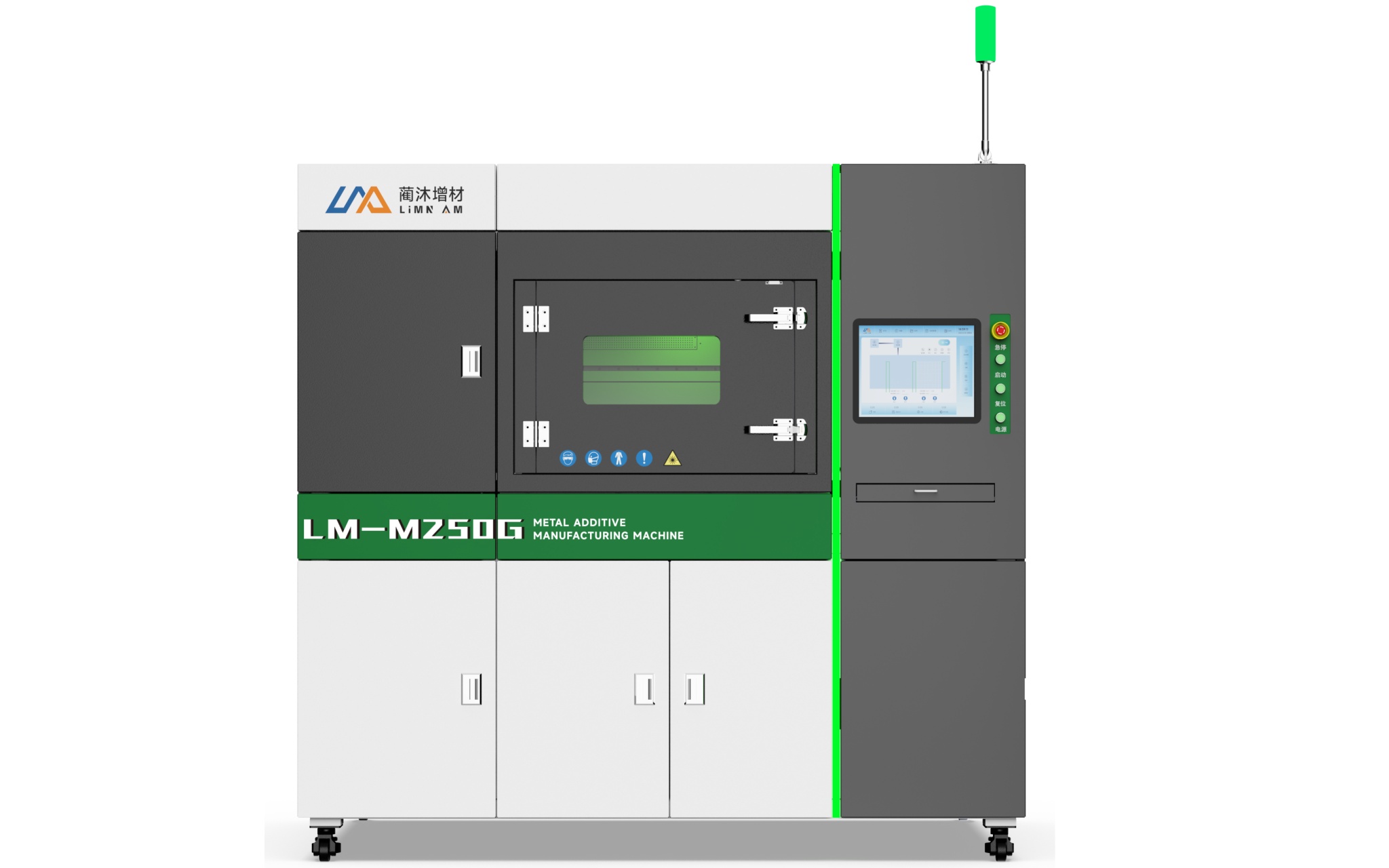
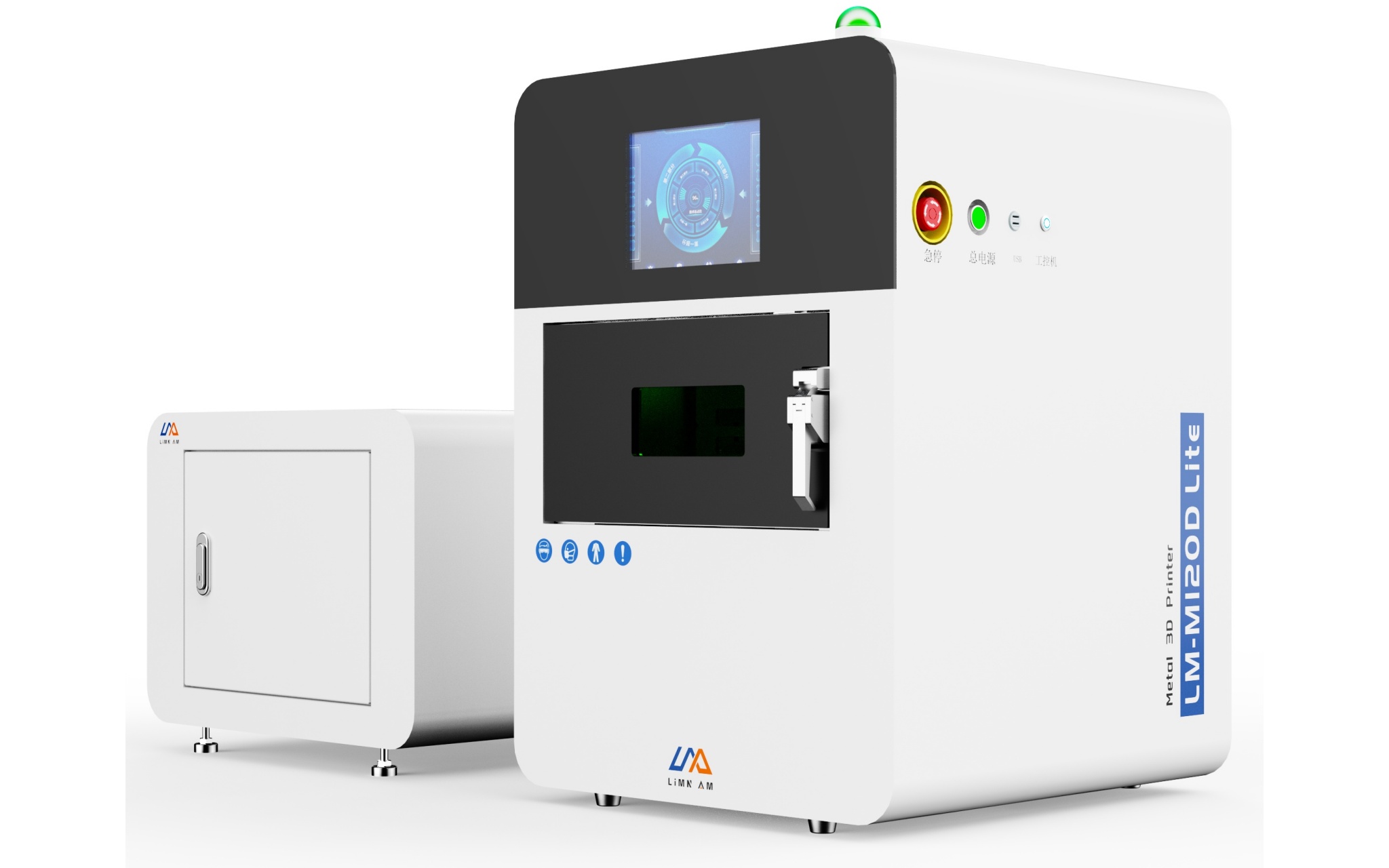
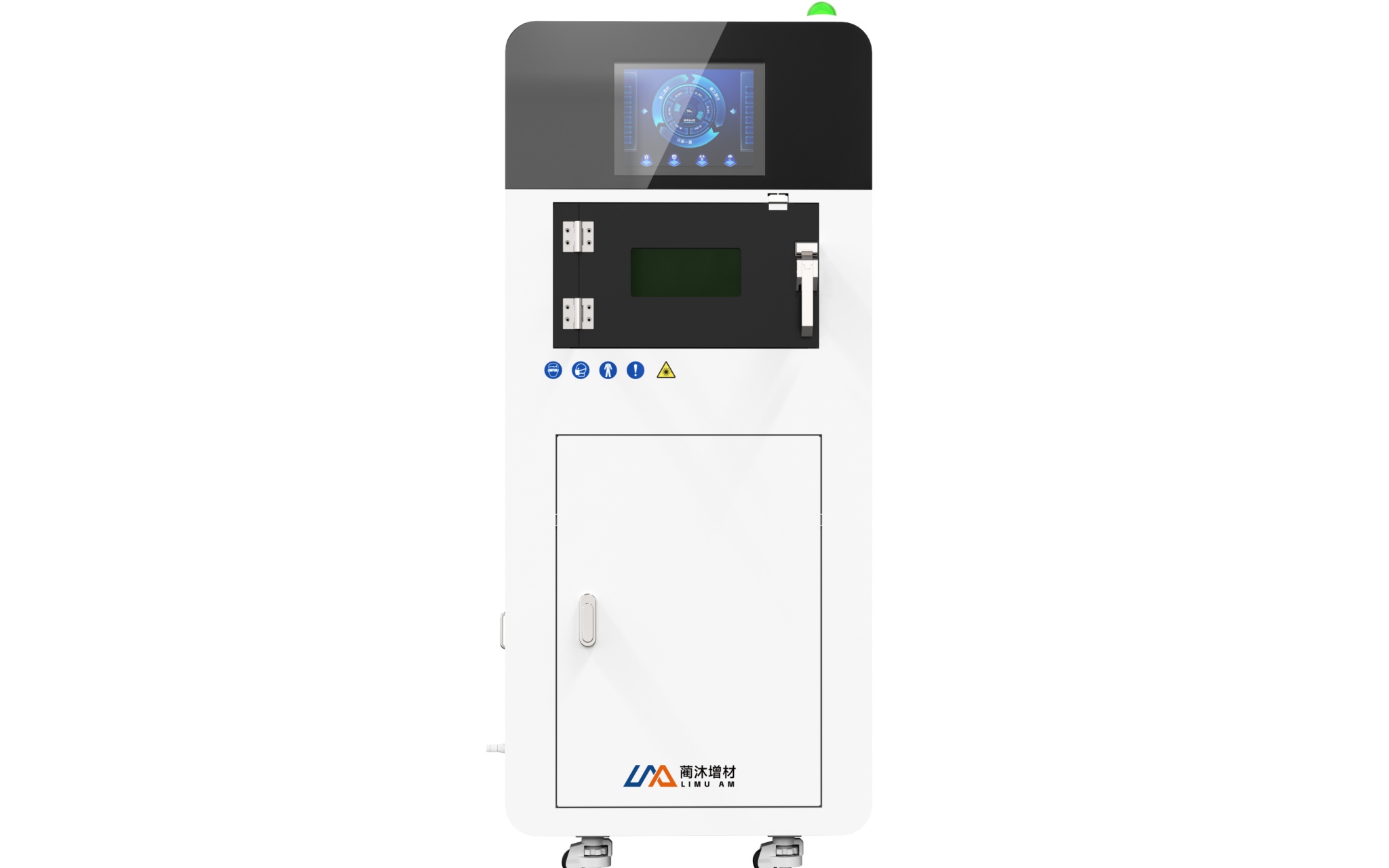
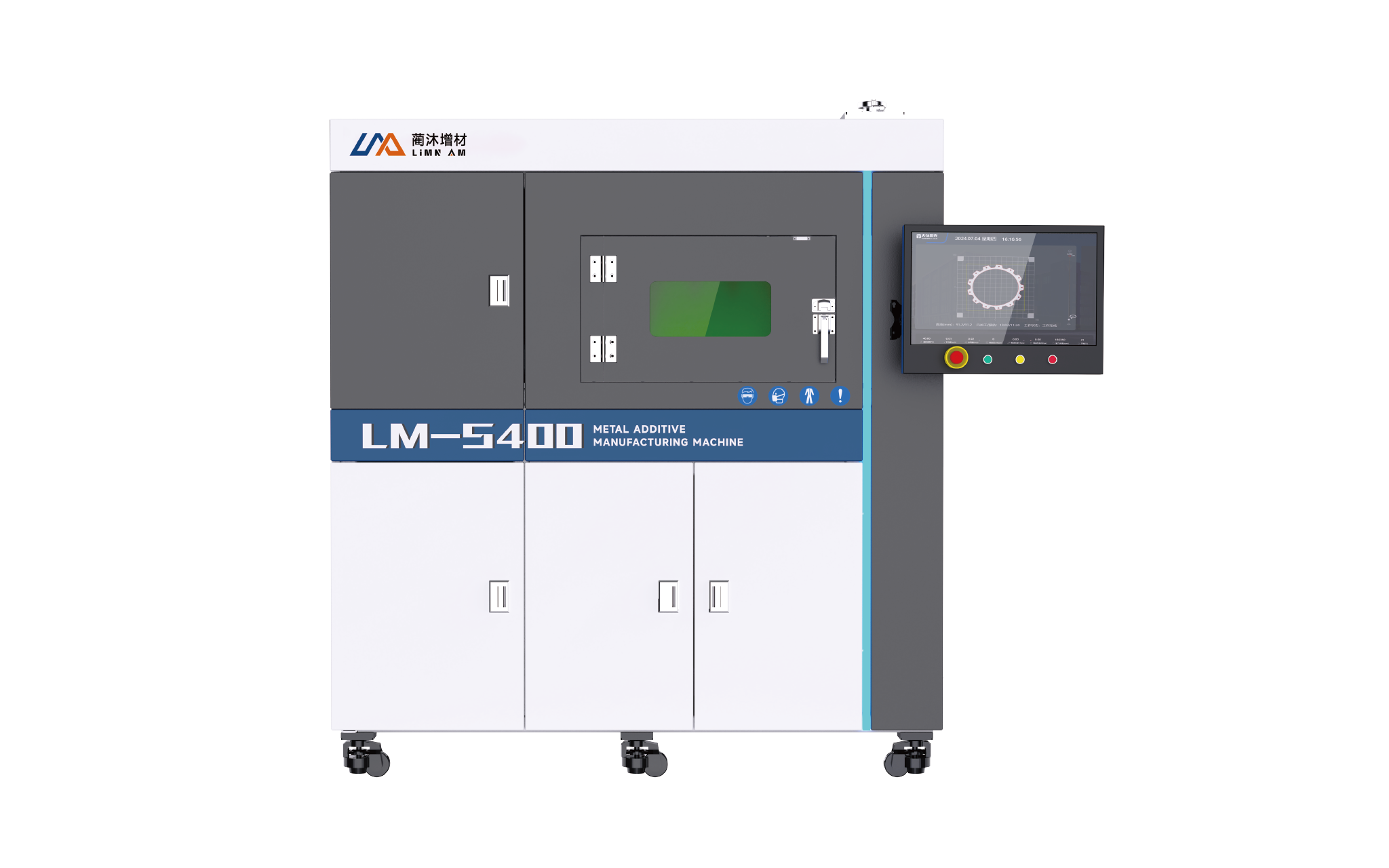
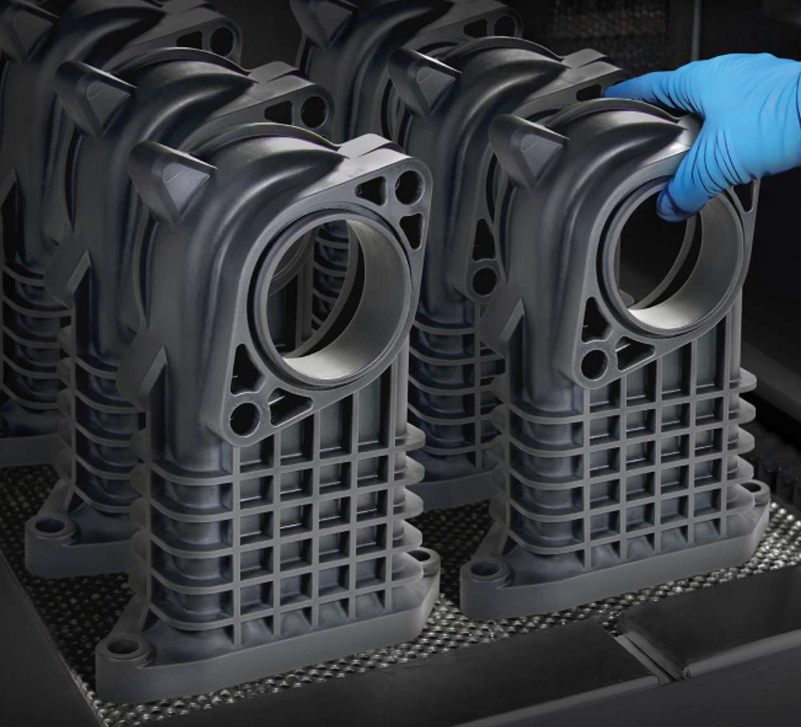
It is suitable for the direct manufacturing of large-size, high-precision and high-performance parts in the fields of aerospace, moulds, medical
equipment and automotive parts.
Adopted our metal 3D printing to create lightweight, high-performance components, cutting material waste by 30% and accelerating production for next-gen manufacturing.
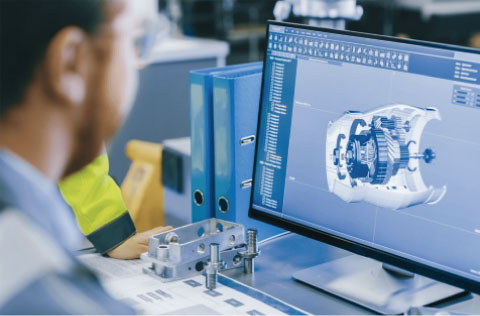
Used our desktop metal 3D printer to cut prototyping time from weeks to days, delivering precise, functional prototypes that accelerate validation and speed up product launches.
FAQs
Are 3D printers superior to traditional manufacturing methods?
3D printers excel at creating complex, customized, or low-volume parts quickly and with less material waste, but traditional manufacturing is usually faster, cheaper, and more efficient for large-scale production.
What are the main 3D printer technologies?
The main 3D printing technologies include:
FDM (Fused Deposition Modeling) – Melts and deposits plastic filament layer by layer.
SLA (Stereolithography) – Uses a laser to cure liquid resin with high precision.
SLS (Selective Laser Sintering) – Fuses powdered materials using a laser.
SLM/DMLS (Selective Laser Melting / Direct Metal Laser Sintering) – Produces fully dense metal parts from metal powders.
Binder Jetting – Binds powder particles together using a liquid binder.
Each technology offers different advantages in terms of materials, accuracy, speed, and applications.
What industries are your machines suitable for?
Our metal 3D printers are widely used in:
Dental & Medical – crowns, implants, surgical tools
Education & Research – materials development, prototyping, scientific exploration
Mold Making – conformal cooling, small batch production
Jewelry & Art – high-detail customization and fine metal parts
Do you support custom material testing or parameterdevelopment?
Absolutely. We offer open parameter settings and technical support for R&D institutions and advanced users. You can conduct experiments with new alloys,particle sizes, and process strategies.